
'/%3E%3Cpath%20fill='%23b2b2b2'%20d='M241%20382q0%2016%2017%2026%2017%2011%2042%2011t42-11q16-11%2017-26V269H241'/%3E%3Cpath%20fill='%239f7e00'%20d='M241%20379q0%2014%208%2023%209%209%2021%209%2014%200%2021-9%209-9%209-23V269h-59'/%3E%3Cpath%20d='M241%20339v-70h59v110q0%2014-9%2023l-6%205v-68h-15v72q-8%200-14-4v-68zm59%2040c0%2022%2015%2032%2029%2032%2021%200%2030-18%2030-32v-40h-59'/%3E%3Cpath%20fill='%239f7e00'%20d='M266%20277v5h2v12h-3v-5h2v-5h-9v5h2v5h-4v9h3v18h-5v10h34v-10h-5v-18h3v-9h-4v-5h2v-5h-9v5h2v5h-3v-12h2v-5zm42%20101q0%2010%206%2017%206%206%2015%207%2010-1%2016-7%206-7%206-17v-29h-43'/%3E%3Ccircle%20fill='%230044ad'%20cx='329.5'%20cy='372'%20r='6'/%3E%3Cellipse%20fill='%230044ad'%20cx='300'%20cy='340'%20rx='16'%20ry='21'/%3E%3C/svg%3E)
'/%3E%3C/svg%3E)
Summary
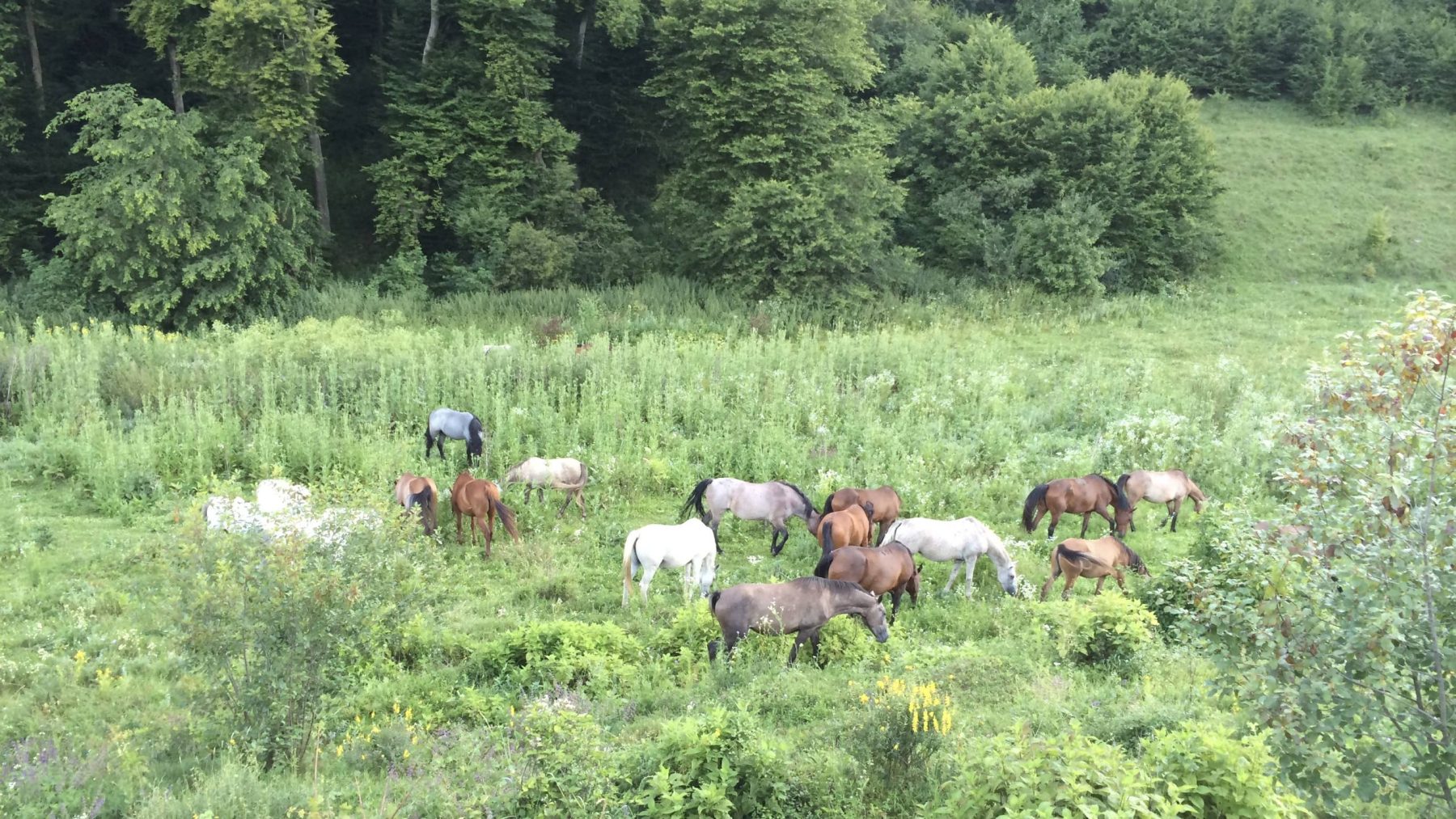
The importance of offering your youngsters, and sports horse enough turnout time to grow, strengthen, and heal their musculoskeletal system, promoting healthy movement and performance.
So, I’ve attended The Equine Edge conference, organised by Move2Ride the other day, and this is what stood out, hooves!
Experts in their field, underlining their wisdom referring to studies, drummed home the importance of free daily movement for our horses to develop and maintain their bodies for soundness, mental health and performance.
Sue Dyson, as a globally renowned equine vet and lameness expert, was the first one to throw it out there.
In the context of preventing injuries in sports horses, she prescribes not only pasture for youngsters up to six months, but continuing from there increased daily movement, training aside, for performance horses of all ages in an at least similar scenario. And in the absence of, think walker and treadmills.
Dyson cites a study which highlighted that increased average turnout time and area in the first six months of a life of a race horse were positively associated with a decrease in injuries and an increase in money earned. The age of weaning also played a role, with 90 % of foals having the benefit of their mother for at least six months, giving them a chance to race successfully.
Preventative joint injections destroy cartilage – turnout increases it
“Turnout practices and late weaning increases mental wellbeing and performance. It benefits youngsters´ developmental capacity, adaptation of musculoskeletal growth and muscle coordination, as well as cartilage infrastructure. Early exercise is critical for joint health,¨she details.
For an optimal development of equine proprioceptive function, horses need to think and learn to adjust their movement accordingly, she added.
“This trust in themselves and the rider without coercive training is essential for a successful career,¨Dyson points out.
She has seen too many owners pushing their horses too fast. “To prevent injuries, horses need to develop strength to do the movements they are asked to do, and that takes time,” she pleads.
Dyson believes that turnout should be part of every sports horse’s life.
”In nature, horses roam up to 20 km a day, using their proprioceptive functions. They graze, leading to better respiratory functions, because the head and neck are kept low a lot of the time,¨she explains.
The other welcome side effect, she added, was that the constant exercise reduced explosive unwanted behaviour.
Vital hoof capsule health often ignored
Dyson in particular exalted the fact that turnout stimulated hoof capsule growth.
“Changes in hoof capsule from a very young age should be prevented and are generally overlooked in the sports horse world. Instead, hoof capsule abnormality has become normalised, yet its ability to withstand load is vital,¨she laments.
Sue Dyson is involved in many missions from lameness discoveries to identifying pain in the ridden horse.